
For decades, maintenance planning has followed a familiar pattern. A machine enters service, someone records the date, and the organization creates a fixed schedule around it: inspect it every three months, service it every six months, calibrate it once a year.
The approach feels predictable, but it leaves out one important question: what actually happened to the asset during those six months?
One forklift may have operated occasionally, while another spent almost every shift moving material across the facility. One laboratory instrument may have remained unused for weeks, while another handled hundreds of tests. If both assets follow exactly the same maintenance schedule, the organization is managing time rather than managing equipment.
Asset Intelligence changes that approach by continuously connecting an asset’s location, utilization, condition, maintenance history, calibration requirements and lifecycle status. Instead of seeing an asset as a record in a database, organizations can see how it is actually being used.
Start With Continuous Asset Visibility
Usage-based maintenance only works when organizations can reliably identify and monitor the assets they want to manage.
InVault creates that foundation by connecting physical assets with technologies such as RFID, BLE, UWB, barcode, LoRaWAN, and GPS, depending on the asset and operating environment. A laboratory instrument may require different visibility than a forklift, plant tool or outdoor generator, so the tracking technology should match the way the asset moves and operates.
Once connected, the asset becomes part of a continuous digital history. Teams can see where it is located, when it moves between zones, how long it remains in a particular area and whether it leaves an authorized location.
This means maintenance teams no longer need to rely only on spreadsheets, manual checks or assumptions about where equipment has been operating. They can work from actual asset activity.
Measure Utilization Instead of Assuming It
Knowing where an asset is located answers only part of the question. The next step is understanding how much the organization actually uses it.
InVault brings utilization and idle-time data into the asset record, allowing teams to distinguish between equipment that works continuously and equipment that spends most of its life sitting unused.
That information immediately adds context to maintenance planning.
If one machine operates 18% of the available time and another operates 91%, the organization can treat them as two very different operational profiles. The highly utilized asset may require closer monitoring and earlier intervention, while the underutilized asset may become a candidate for redeployment to another department or facility.
Utilization therefore becomes more than a maintenance metric. It also helps organizations understand whether they have the right number of assets and whether those assets are positioned where the business actually needs them.
Connect Operating History With Maintenance
Asset Intelligence becomes far more valuable when utilization and movement data sit next to maintenance history.
InVault gives teams a continuous view of the asset lifecycle, including service events, maintenance requirements, and operational activity. Instead of looking only at the date of the last service, teams can understand what happened between maintenance events.
They can see whether an asset accumulated heavy usage, remained idle for extended periods or repeatedly required intervention after similar operating patterns.
This creates a much stronger basis for maintenance decisions. A service schedule can reflect the way equipment behaves rather than relying exclusively on elapsed time.
The objective is not simply to reduce maintenance frequency. Some assets may need attention sooner because they work harder. Others may safely remain in operation longer because their actual utilization remains low. In both cases, the organization makes the decision with more operational context.
Keep Calibration and Certification Connected to the Asset
For many assets, maintenance alone does not determine whether equipment is ready for use.
Laboratory instruments, specialized tools, manufacturing equipment, and other controlled assets may also require calibration, inspection, or certification. Missing one of those deadlines can create quality, operational or compliance problems even when the equipment itself still works correctly.
InVault connects calibration and certification requirements directly to the asset lifecycle. Teams can see upcoming deadlines alongside location, utilization, and maintenance information instead of managing them in separate spreadsheets or reminder systems.
That gives operations a much clearer answer to a basic but critical question: Can we use this asset right now?
An asset may be physically available but approaching calibration expiry. Another may be fully certified but currently located in another facility. A third may require maintenance before its next assignment. Asset Intelligence brings those different signals together.
Track Condition and Identify Early Maintenance Signals
As organizations collect more asset activity, they can also begin identifying patterns that deserve attention.
High utilization, unusual idle periods, repeated maintenance events, or changes in operating condition can all become signals that an asset requires investigation. Instead of discovering a problem only after equipment fails, teams gain an opportunity to act earlier.
This is where maintenance begins moving from reactive scheduling toward predictive decision-making.
The system does not need to replace technicians or engineering judgment. It gives those teams better information. Maintenance professionals can see which assets deserve attention, compare utilization across similar equipment, and prioritize work based on real operating data.
Use Asset Intelligence to Plan the Entire Lifecycle
The same intelligence that improves maintenance also supports larger asset-management decisions.
An underutilized forklift at one location may remove the need to purchase another forklift somewhere else. A machine with consistently high utilization and increasingly frequent maintenance may become a candidate for replacement. Equipment that has remained idle for months may need to be redeployed, transferred, or retired.
InVault keeps those decisions connected to the full asset history, from deployment and tracking through utilization, maintenance, audit and eventual retirement.
This allows organizations to move beyond asking, “When should we service this asset?”
They can start asking better questions:
Are we using it efficiently?
Is it still worth maintaining?
Could another site use it more effectively?
When should we replace it?
Do we actually need to buy another one?
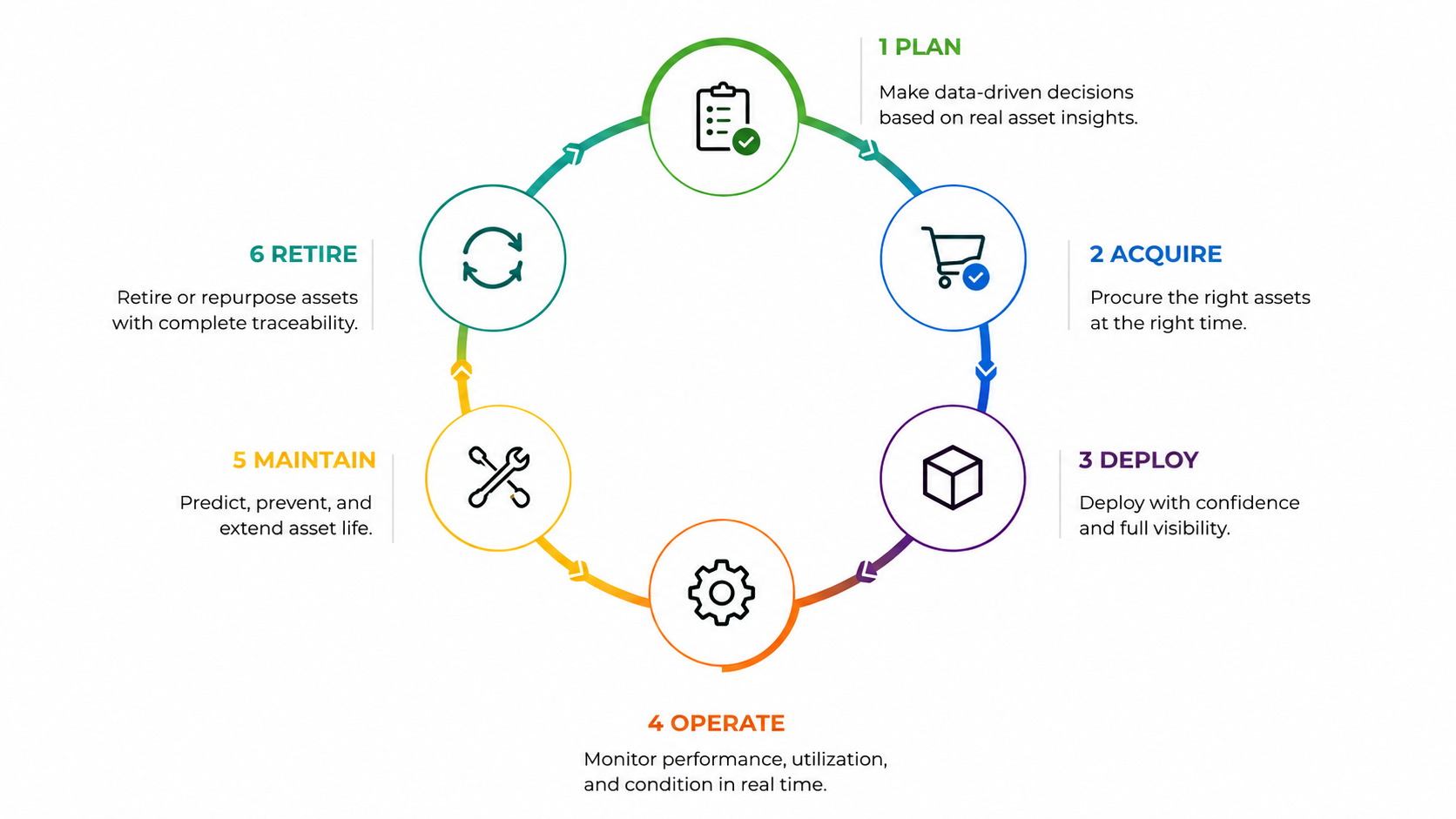
From Asset Tracking to Asset Intelligence
Tracking tells you where an asset is.
Asset Intelligence tells you where it is, how it is being used, whether it is available, when it needs attention, and what should happen to it next.
That is the role InVault plays across the asset lifecycle. It combines location, utilization, idle-time analysis, maintenance, certification, calibration, condition and lifecycle alerts into one operational view.
The result is a maintenance strategy based on evidence rather than assumptions.
The calendar still matters, especially where regulations or manufacturer requirements define fixed deadlines. But the calendar becomes one signal among many instead of the only signal available.
When organizations understand what their assets are actually doing, they can maintain them more intelligently, use them more efficiently, and make better decisions about where capital should go next.