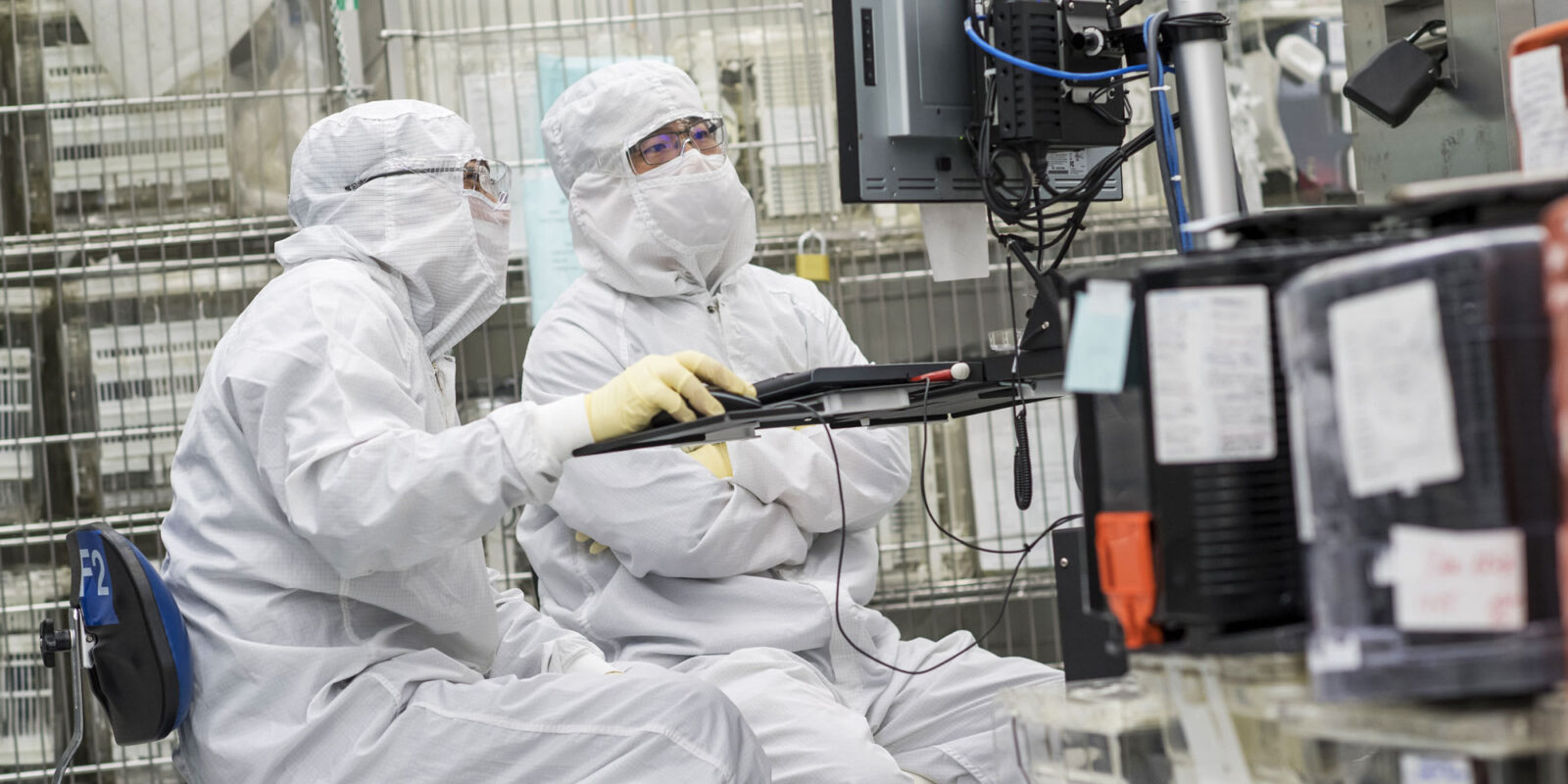
A scientist walks into a warehouse late in the evening. An experiment is still running, the team needs an additional raw material, and waiting until the next morning could delay hours of work.
The material is technically available. It is sitting somewhere inside the warehouse. Yet accessing it depends on several other things being available too: warehouse staff, paper forms, manual approvals, and an inventory record that may only be as accurate as the latest clipboard entry.
What should be a simple task quickly becomes an operational bottleneck.
This was the challenge facing one global organization whose scientists and chemists regularly needed access to raw materials outside standard warehouse hours. The warehouse supported critical work, but its processes still depended heavily on people and paperwork.
When the right employee was not available, scientists had to wait. When someone removed a material, the inventory system might not reflect the movement until a manual update took place. As a result, the physical warehouse and the information inside SAP did not always tell the same story.
The company needed a way to give authorized employees more flexibility without losing control, accuracy, or traceability.
The Problem Was Not Simply Warehouse Access
At first, the challenge might look like an access-control problem. Give scientists permission to enter the warehouse, and the issue disappears.
In reality, opening the door only solves one part of the process. The organization still needs to know which material someone removed, who took it, when the movement happened, where the material came from, and how much inventory remains.
Without that information, flexible access creates new risks.
Inventory records become less reliable. Logistics teams spend more time investigating discrepancies. Employees may reorder materials that already exist. Planning teams may make decisions using outdated information. In regulated environments, incomplete movement records can also create compliance and audit concerns.
The goal was therefore not unrestricted access. The goal was controlled, traceable, and intelligent access.
Connecting Physical Activity With Business Systems
The organization introduced a digital workflow that connected warehouse activity with its enterprise systems.
Authorized scientists and chemists could enter the warehouse at any time and retrieve the raw materials they needed. The solution captured each movement as part of the process rather than relying on someone to document it later.
Depending on the material and warehouse setup, this type of workflow can use RFID, barcode scanning, mobile devices, fixed readers, access-control data, or a combination of technologies.
The important part is not the individual device. It is the connection between the physical event and the business context behind it.
When an employee takes a material, the system can identify the item, record the time, associate the transaction with the user, update the available quantity, and send the event to SAP or another enterprise application.
The inventory record therefore follows what is happening inside the warehouse instead of waiting for the next manual update.
This is where material intelligence begins to create value. It provides a live understanding of how materials move, who interacts with them, and how those movements affect the wider operation.
A Small Workflow Change With a Major Productivity Impact
The result was significant.
In less than a year, the organization reported an increase of more than 1,000% in productivity savings. Scientists and chemists could access the warehouse 24/7 and take the raw materials they needed without depending on warehouse personnel to complete every step manually.
The improvement came from removing waiting time from a high-value process.
Scientists could continue their work without unnecessary interruptions. Logistics employees no longer needed to manage every request in person or reconcile large numbers of transactions after the fact. Managers gained a clearer view of material consumption, while SAP received more timely information.
The organization did not simply make the warehouse more accessible. It made the entire material-handling process more responsive. That distinction matters. A faster manual process still depends on manual work. A connected process captures activity as it happens and allows the business to respond immediately.
The Same Challenge Appears Across Many Industries
Laboratories provide a strong example, but the same operational pattern appears throughout manufacturing, logistics, healthcare, and industrial environments.
A maintenance technician may need a spare part during a night shift. A production team may need additional components to prevent a line from stopping. A quality engineer may need to locate a specific material lot. A warehouse operator may need to replenish consumables before the next scheduled delivery.
In each case, the material may be physically present while remaining operationally unavailable.
Companies usually know what they purchased and what their systems say they have. They struggle with what happens between receiving, storage, internal movement, consumption, production, and replenishment.
A material intelligence approach connects those stages. It can provide visibility into receiving, put-away, stock levels, raw-material issuance, work-in-progress, replenishment, shipment verification, returns, and cycle counting.
Instead of creating another isolated tracking system, the solution connects real-world material activity with ERP, WMS, MES, and other business platforms.
A Practical Entry Point for Partners
This use case also creates a clear opportunity for hardware partners, resellers, and system integrators.
Many customers already use handheld computers, RFID readers, barcode scanners, printers, or access-control systems. However, hardware alone cannot resolve the process gap between a physical material movement and an enterprise-system update.
Partners can begin with one practical question:
Where do employees currently wait because materials, people, and information are not available at the same time?
The answer often reveals a focused use case with measurable value.
Partners can help customers automate after-hours access, reduce manual issuing, improve inventory accuracy, or prevent production delays. They can start with one warehouse or department and then expand the workflow across more materials, facilities, and business processes.
This creates a stronger business case for both software and hardware. It also reduces implementation risk because the project begins with a clear operational problem rather than a large, abstract transformation.
From Available Materials to Usable Materials
Raw materials only create value when employees can access and use them at the right time.
For this organization, the key improvement was not simply knowing that a material existed. It was making that material available to the right person, recording the movement automatically, and keeping the business system aligned with reality.
Scientists gained 24/7 access. Logistics teams retained control. Inventory information became more accurate. The company removed a recurring source of delay from a critical workflow.
That is the practical value of connecting materials, people, devices, and enterprise systems: the operation stops waiting for information to catch up with reality.